
ADVERTISEMENT








ADVERTISEMENT
Uber Eats feels like a flexible commerce app that blends food ordering, grocery logistics, and last-mile delivery under one account. For households, it can also become a payments and subscription hub.
The flow starts with location, then quickly moves to discovery. You can browse by cuisine, restaurant, dish, or meal, which reduces search time when hunger hits fast. It also supports advanced filtering.
Ordering is straightforward. Add items to your cart with a few taps, then confirm delivery details. Real-time tracking helps you plan around arrival time, which matters for busy schedules and quick handoffs.
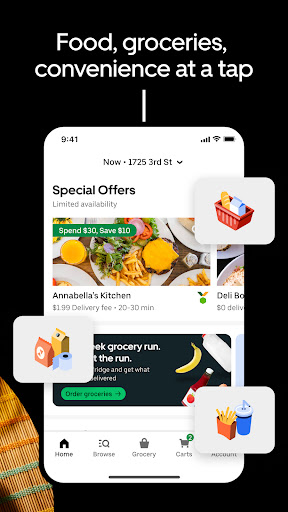
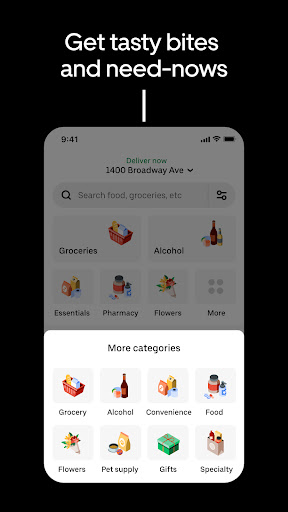
One standout experience is how the app expands beyond restaurants. You can order household essentials from drug stores, supermarkets, and pet shops, plus pharmacy and beauty items, without switching platforms.
The app also supports scheduling. If you want a delivery person later, you can plan ahead. That’s useful for event prep, workplace lunches, and predictable consumption days.
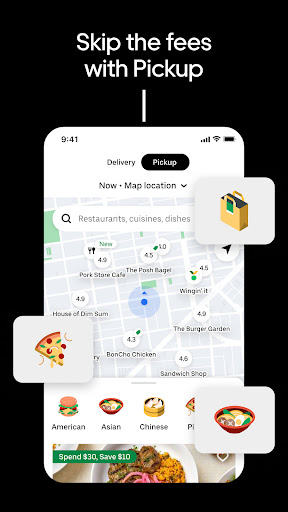
Another feature is pickup. You can skip lines and reservations by choosing Pickup. It turns Uber Eats into a hybrid service for convenience-seekers who prefer controlling timing at the store.
Because it’s part of the Uber ecosystem, you can request a ride directly from the app. That creates a travel-to-consumption loop that’s convenient when you want dinner plans and transport in one session.
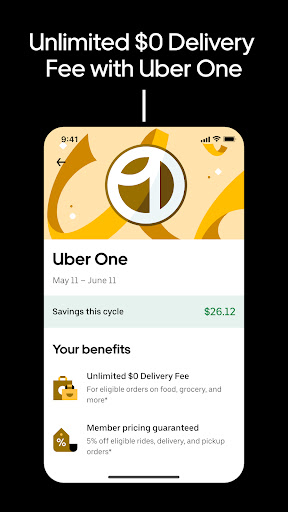
For frequent users, Uber One membership adds a subscription-style benefit structure. It can reduce delivery fees and offer order discounts, which feels aligned with loyalty economics and retention strategies.
From a reviewer’s standpoint, the biggest value is operational clarity. You can track progress on a map, see estimated arrival times, and get notifications when your order arrives, which improves trust.
First, discovery is strong. Search by cuisine, restaurant name, or even specific dishes makes it easy to find both national brands and local favorites quickly.
Second, the catalog is broad. Alongside pizza, burgers, burritos, sushi, and Chinese takeout, the app includes donuts and many restaurant styles for diverse tastes.
Third, delivery and pickup options are practical. Delivery is designed for speed, while Pickup helps avoid wait times and reduces friction at the restaurant.
Fourth, tracking and notifications are reliable. Real-time map visibility, estimated arrival times, and arrival alerts help users coordinate around delivery windows.
Availability can vary by city and market. Even though coverage is extensive, some items, stores, or partner restaurants may not appear in every area.
Another downside is that alcohol ordering is limited to select markets and requires age confirmation. That can interrupt browsing for users who expect the same catalog everywhere.
Fees and discounts depend on membership and store type. Uber One terms apply differently for non-grocery and grocery orders, so users may need to verify value before committing.
Finally, item availability can change by market. If you’re relying on specific grocery staples or pharmacy essentials, you may need alternatives when supply is limited.
Recent updates focus on smoother ordering and better convenience between delivery and pickup. The experience is designed to let users decide faster and complete orders with fewer steps.
The app continues to improve real-time visibility. Enhanced order tracking and clearer arrival estimates make the delivery journey feel more predictable, especially during peak hours.
Uber One benefits are also positioned to feel more accessible for subscription members. The app highlights delivery-fee savings and discounts in a way that supports ongoing, repeat ordering behavior.
Lastly, the app reinforces the multi-service concept. Ordering food, groceries, and essentials stays central, while ride requests remain available so you can coordinate errands and meals in one place.
For advertisers, Uber Eats’ mix of high-frequency commerce and last-mile logistics aligns with subscription marketing, payments optimization, and delivery fee management. It supports brands seeking consistent consumer demand and measurable conversion.
Retail and CPG partners can target shoppers using grocery staples, frozen foods, produce, flowers, and packaged treats. For finance and fintech offers, the app environment is relevant because orders act like frequent, small-ticket transactions.
SaaS and enterprise services can also fit through logistics, routing, and commerce analytics themes. Real-time tracking and map updates are natural hooks for platforms selling infrastructure, monitoring, or operations tooling.
Pharmacy, convenience, and beauty advertisers can use high-intent ordering moments. When users search for diapers, baby food, cosmetics, or prescription-adjacent needs, the audience resembles bottom-funnel buyers rather than casual browsers.


